
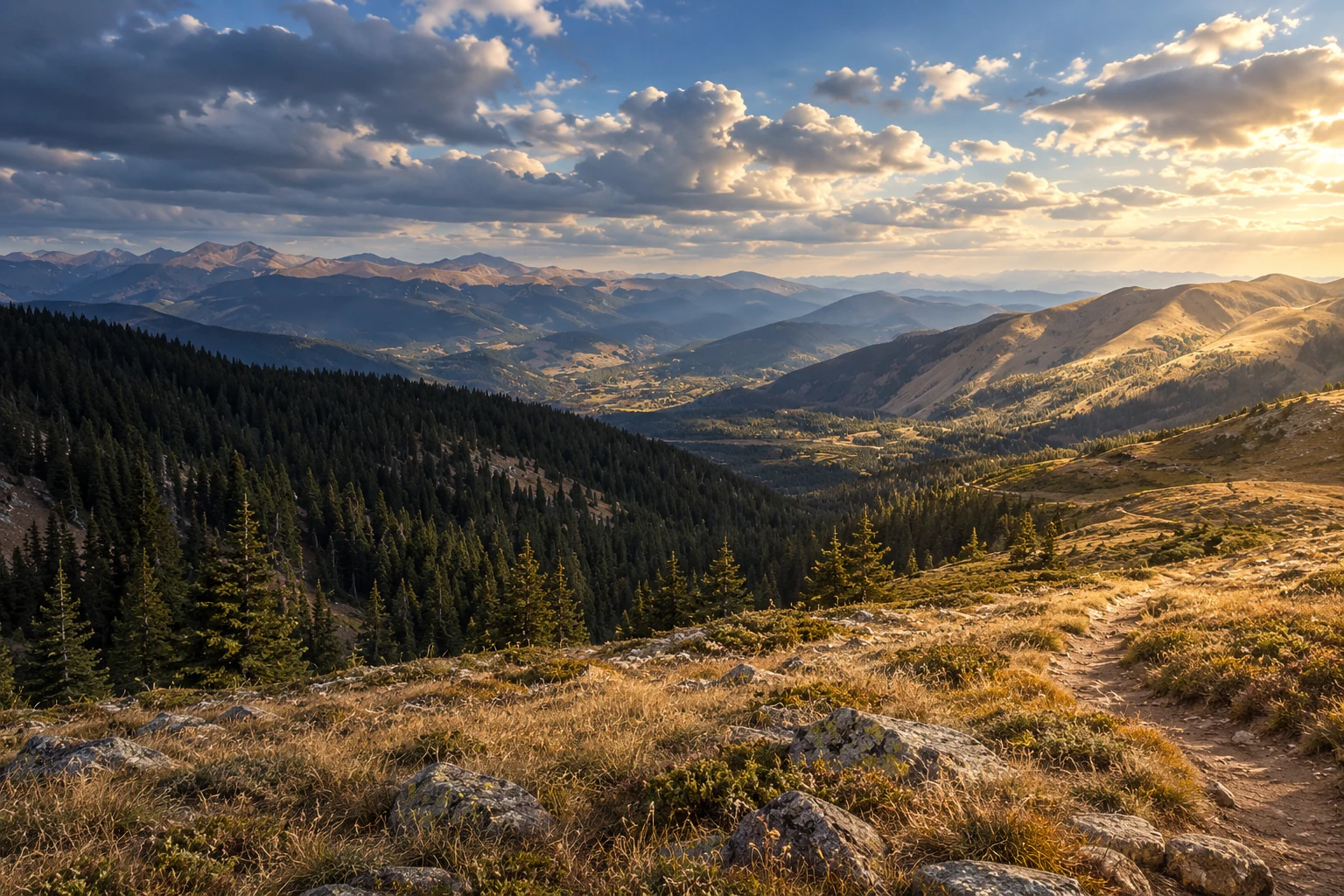
THE FIVE PHYSICAL DEMANDS OF HIKING
TRAIN THE TERRAIN.
A few last-minute squats won’t carry the whole trip. Prepare for steep descents, uneven ground, pack weight and getting up to do it again.
TRAIN FOR THE JOB AHEAD.
A workout ends when you put the weight down. A hiking day keeps asking for small adjustments: to your pace, your footing, your pack and the plan. These five guides organize that preparation.
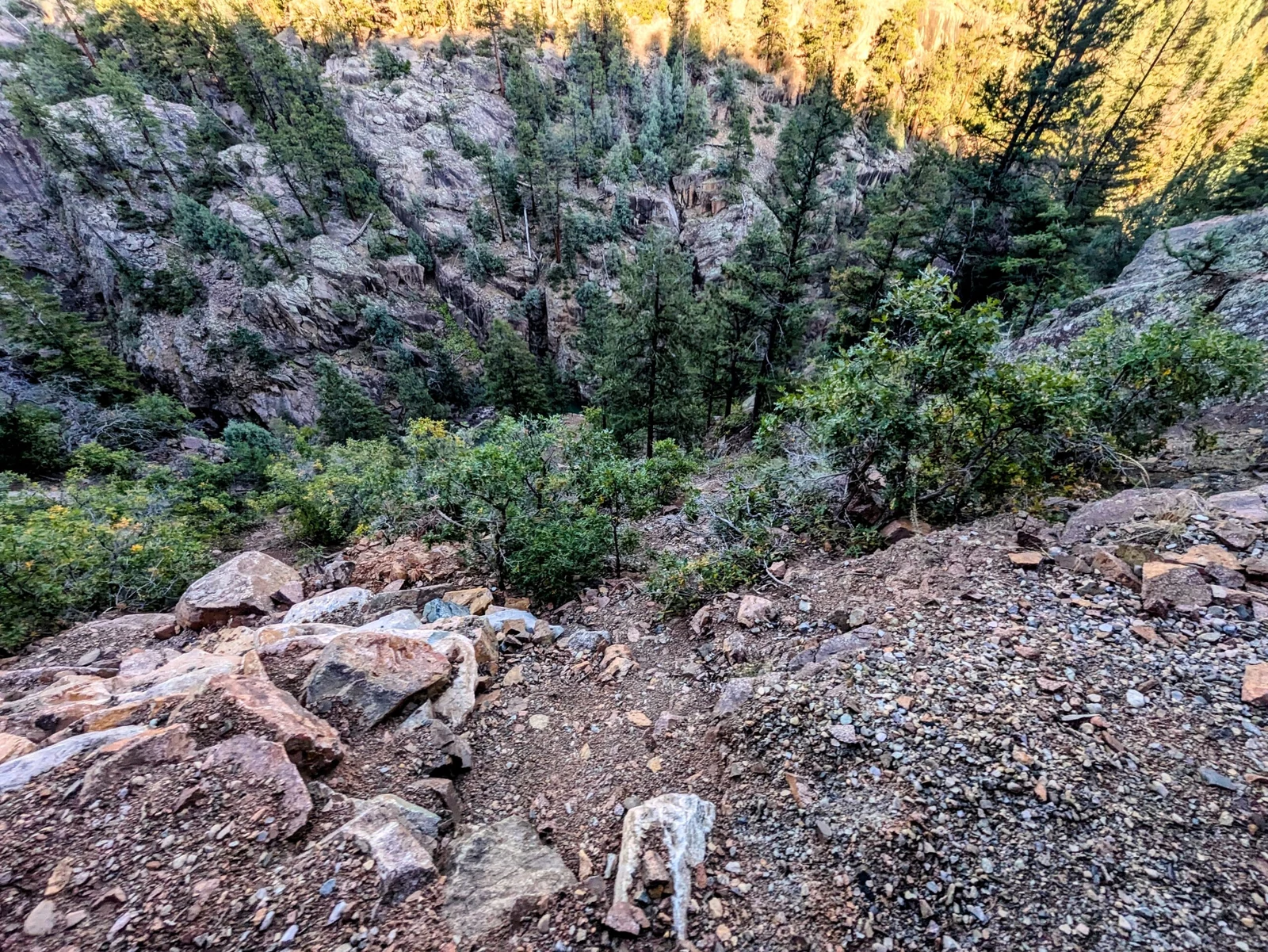 01 / TRAINING BRIEF
The Downhill Tax Nobody Trains For
Brake with control. Give descents a place in your preparation.
READ THE GUIDE ↗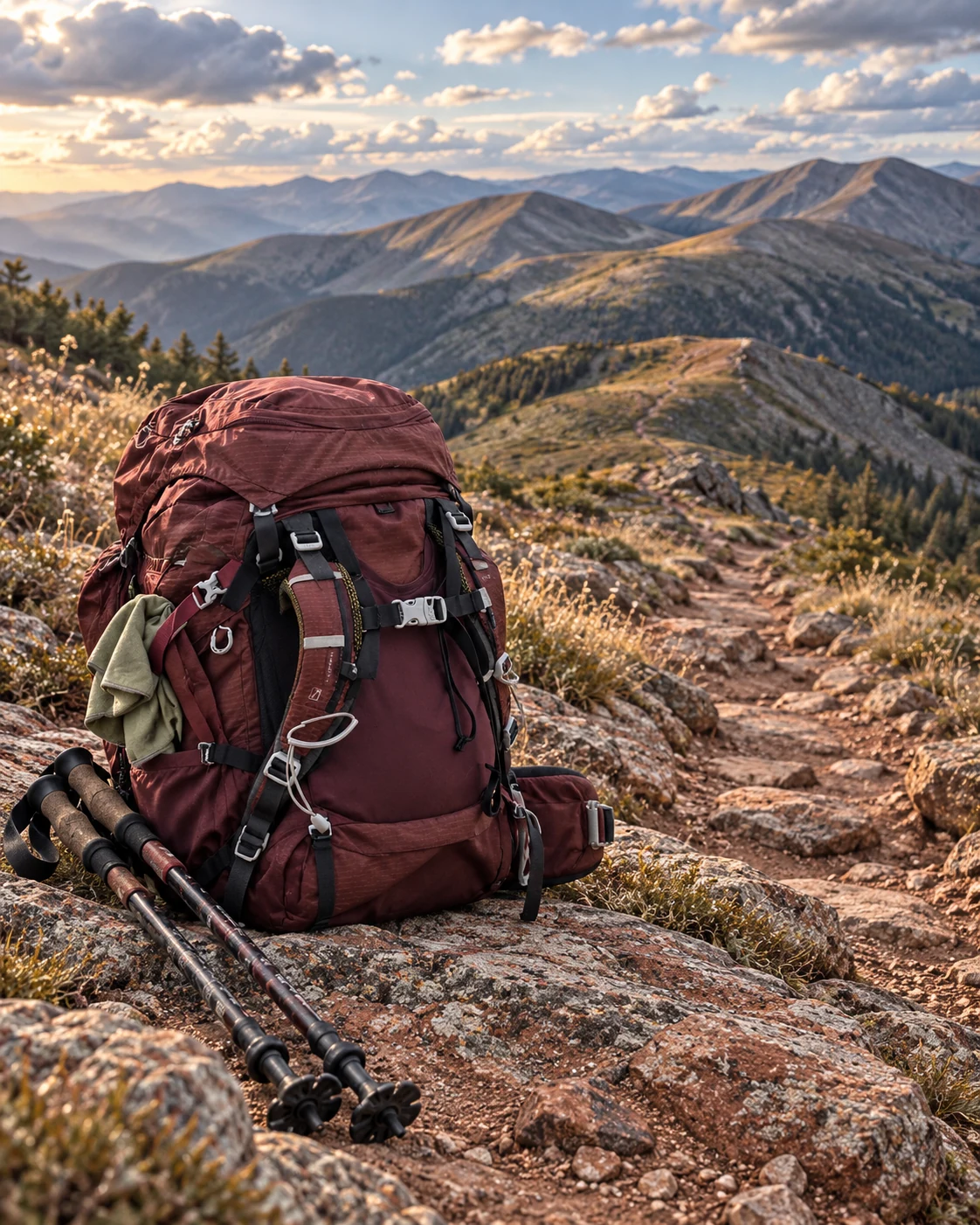 02 / TRAINING BRIEF
Pack Weight & Ruck Training
Build time under load around the pack you actually plan to carry.
READ THE GUIDE ↗ 03 / TRAINING BRIEF
Elevation & Acclimation
Train for climbing. Plan separately for time at altitude.
READ THE GUIDE ↗ 04 / TRAINING BRIEF
Balance, Reaction Time & Uneven Terrain
Practice deliberate foot placement before the ground gets complicated.
READ THE GUIDE ↗ 05 / TRAINING BRIEF
Recovery While Moving
Prepare to move again tomorrow, with today still in your legs.
READ THE GUIDE ↗SUSTAINABLE PREPARATION
ENERGY RUNS THROUGH ALL FIVE.
Food, hydration and sustainable pacing connect the work of climbing, descending, carrying a pack and moving over uneven ground. Practice those routines during training, then adjust them to the conditions and the day.
Explore Recovery While Moving for pacing, breaks and the routines that help you prepare for tomorrow.
YOUR NEXT STEP
FIND YOUR STARTING POINT.
Not sure where to focus your preparation? Take the quiz to explore what deserves your attention before the trip.
TAKE THE QUIZ
PUT IT TOGETHER
A ROUTINE WITH A REASON.
Use focused training blocks to connect strength, endurance and trail practice. A first overnight may need a different starting point than a long trail.
EXPLORE TRAINING BLOCKSWHAT HIKERS ARE SAYING ABOUT THE SYSTEM
PREPARATION THAT CONNECTS.
“I am glad I stumbled upon your writing! This was so informative and gave me a lot to think about, and add into my training routine!”
Alex L.
“As someone with an endurance background but new to hiking, I found this incredibly insightful while planning for a 135 km five-day hike.”
Michael P.
“I love how you frame hiking as a durability sport, not a vibes-based cardio test. Super grounding and honestly motivating.”
Destiny H.
THE PIECES / HOW THEY FIT
FREQUENTLY ASKED QUESTIONS.
The guides and skill-block samples introduce the framework. The standalone Complete System app is planned; joining its waitlist does not provide immediate app access.
Skill Block FAQs
What is a Skill Block?
A Skill Block is a focused knowledge area for the non-physical demands of thru-hiking. It covers planning, logistics, safety, budgeting, resupply, trail towns, gear systems, and decision-making before those things become problems on trail.
Are Skill Blocks only for beginners?
No. Beginners will get the most immediate structure from them, but experienced hikers can use Skill Blocks to tighten weak areas, prevent repeat mistakes, and build cleaner systems before a longer trail.
How should I use the Skill Blocks?
Start with the area that feels most confusing or most likely to derail your hike. If resupply stresses you out, start there. If solo safety is the problem, start there. These are meant to be used as targeted tools, not homework jail.
Are Skill Blocks the same as training plans?
No. Skill Blocks teach the planning and decision systems behind a successful hike. Training Modules focus on physical trail readiness. You need both if you want to show up prepared instead of simply optimistic.
CAN I USE THESE FOR ANY TRAIL?
These resources can help you think through preparation for different trails, but every route asks something different of you. Terrain, weather, elevation, distance, trail conditions and your own experience all affect what preparation is appropriate. Use this material as educational guidance alongside your own route research and independent preparation, not as a replacement for them.
Training Module FAQs
What is a Training Module?
A Training Module is a targeted physical training unit built around one specific trail demand, like downhill braking, load tolerance, balance under fatigue, elevation prep, or multi-day recovery.
Are these full training plans?
No. Training Modules are not full plans by themselves. They are precision tools you can layer into your current training to fix the thing most likely to break down on trail.
Who are the Training Modules for?
They are for hikers, backpackers, thru-hikers, and outdoor athletes who want trail-specific preparation instead of generic gym fitness. Being strong helps. Being adapted to trail demands helps more.
How do I know which module to start with?
Start with your most obvious limiter. If descents wreck your knees, start with downhill braking. If your pack destroys your shoulders by mile 12, start with load tolerance. If technical terrain makes you sloppy when tired, start with balance and reaction time.
Do I need gym access to use the modules?
Not always. Some modules can be trained with stairs, hills, a treadmill, a loaded pack, or bodyweight work. Gym equipment can help, but the goal is trail transfer, not collecting machines like Pokémon.
Can these help prevent injury?
They can help reduce common weak points by improving strength, tolerance, stability, pacing, and decision-making. They do not guarantee injury prevention, because trails are chaos with better views, but they do give your body a better chance to handle the work.